

FIFA Women's World Cup Brazil 2027™: The Ultimate LGBTQ Women's Guide to All 8 Host Cities
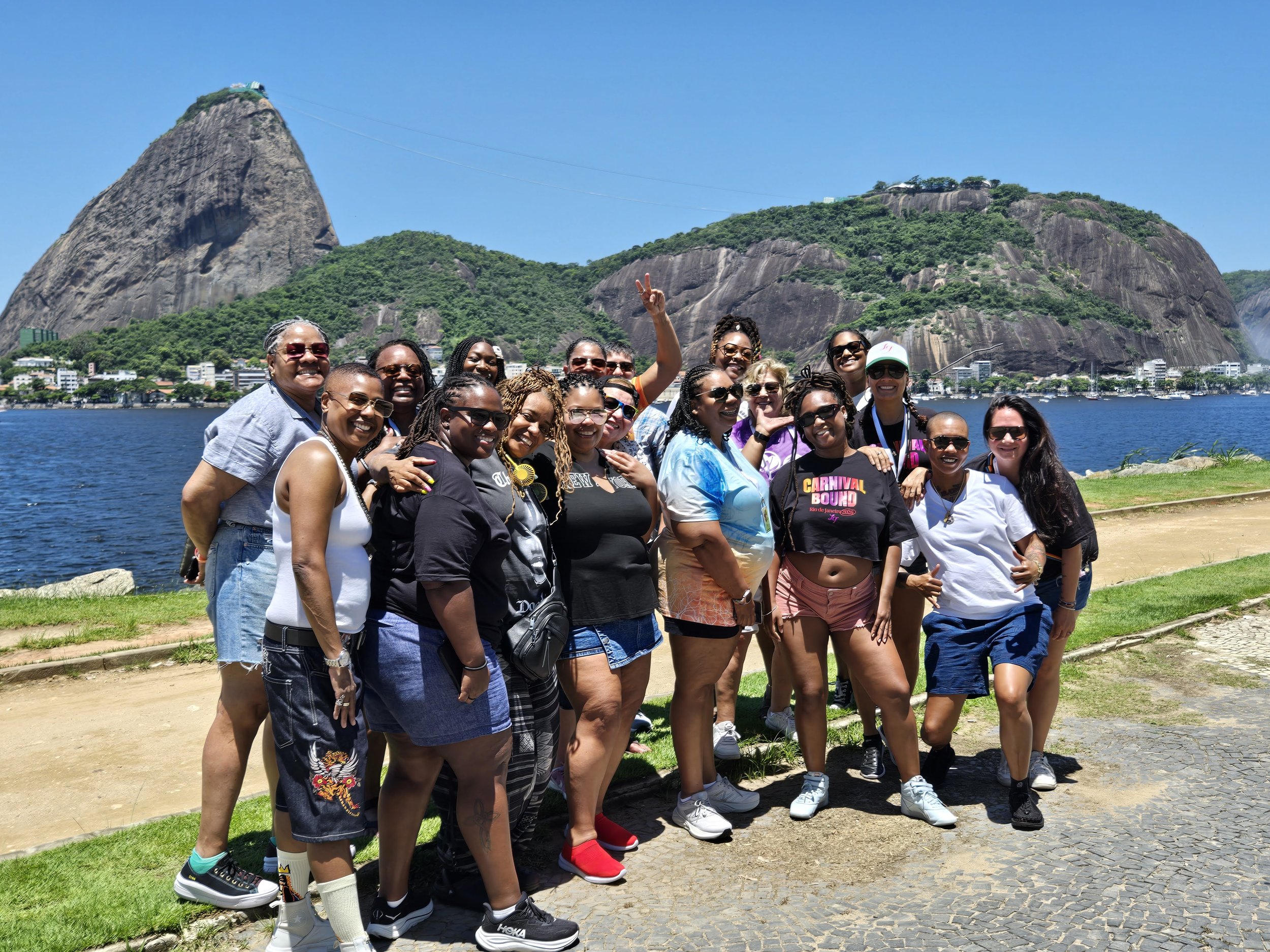
For the first time ever, the FIFA Women's World Cup™ is coming to South America. From June 24 to July 25, 2027, Brazil will host the tenth edition of the tournament across eight cities and eight stadiums, and for LGBTQ women, it might be the single best excuse to visit Brazil that will ever exist. Thirty-two teams, one of the most naturally queer-friendly countries on the planet, and five weeks of a nation that knows how to throw the best parties on Earth. This is a once-in-a-generation trip, and we want to help you build it.
Why Brazil Is the Perfect Backdrop for This Moment
Brazil isn't just hosting a soccer tournament. It's hosting a celebration, and queer women have known for decades that Brazil throws the best ones. This is the country of São Paulo Pride, one of the largest Pride gatherings in the world. It's the country of Ipanema's rainbow-flagged Farme de Amoedo street, of Salvador's Carnival blocos built by and for the LGBTQ community, of a culture where affection, dancing, and joy are simply the national language.
Brazil legalized same-sex marriage nationwide in 2013, and its major cities have thriving, visible queer scenes with dedicated bars, beach spots, and events that run year-round, not just during Pride season. Add in a summer-long international sporting event with millions of fans, players, and allies pouring into the country, and you get five weeks of the kind of energy that doesn't come around twice.
For LGBTQ women specifically, this tournament is historic in its own right: women's soccer has long been a space where queer athletes and queer fans are visible, celebrated, and unapologetically themselves. Watching the world's best women footballers compete, in a country built for celebration, surrounded by a community of women who get it, that's not just a vacation. That's a memory you'll be telling stories about for the rest of your life.
Why We're Planning This Trip
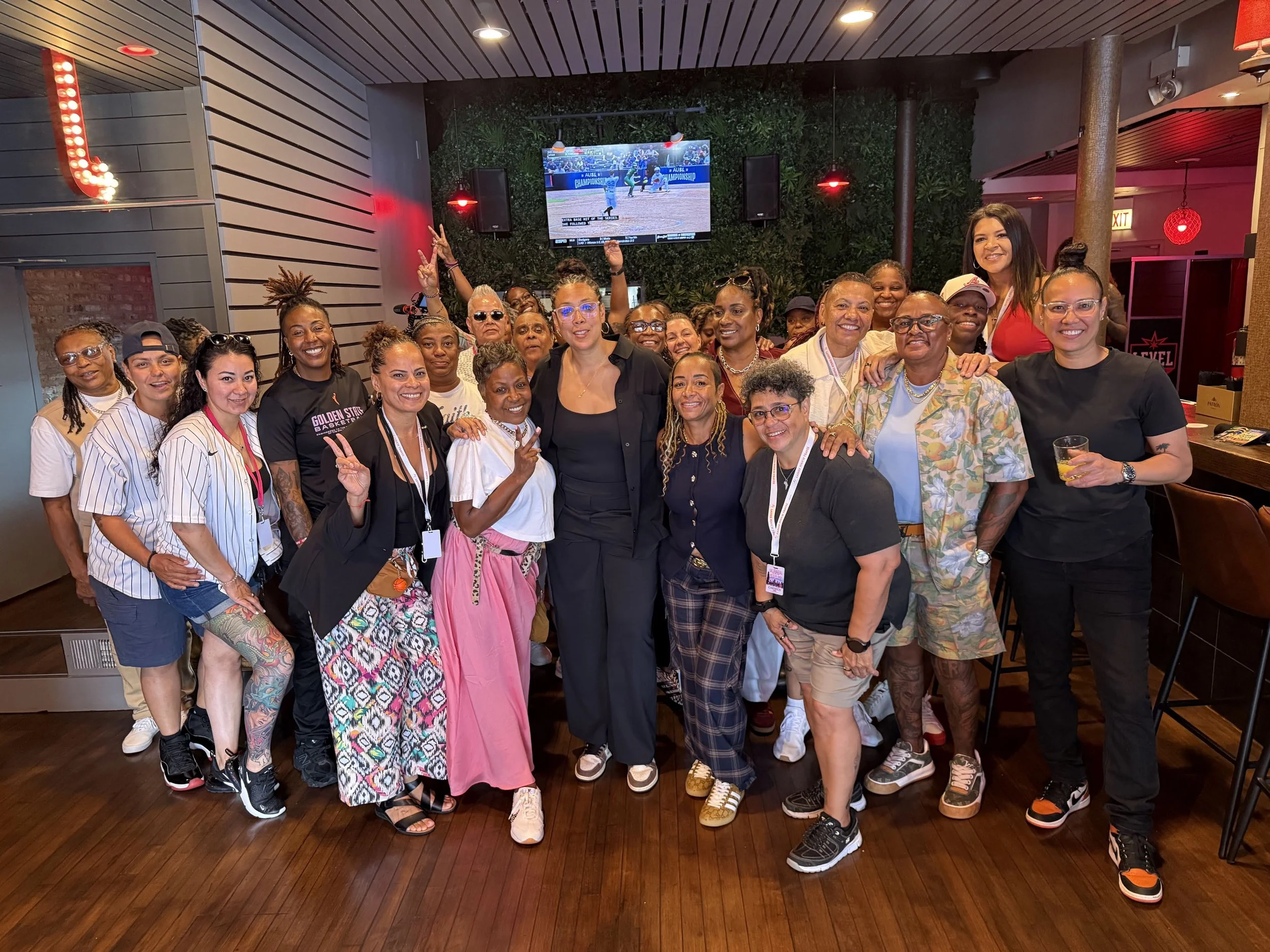
Here's something we've learned over the past few months: this community loves sports travel. After the overwhelming response to our Chicago WNBA All-Star Weekend trip, women started asking us for the next one before we'd even finished planning that one, and Brazil 2027 was the name that came up again and again.
So we're doing it. We're building an LGBTQ women's group experience around the FIFA Women's World Cup Brazil 2027™, and we're doing it around what our community actually wants, which is exactly why your input matters before anything else.
If attending one of the biggest sporting events in the world is on your bucket list, we want to hear from you. Women who complete our interest survey get first access to rooms and travel packages before they're released publicly, meaning you get to shape this trip, and claim your spot, before the general public even knows it exists.
🏳️🌈 Share your preferences — Brazil 2027 Interest Form and get first access before this trip goes public.
Meet the 8 Host Cities
Brazil's host cities were chosen specifically because they reflect the full diversity of the country, from the beaches of the Northeast to the cosmopolitan south. Here's what makes each one worth building your 2027 trip around.
São Paulo - Arena Itaquera
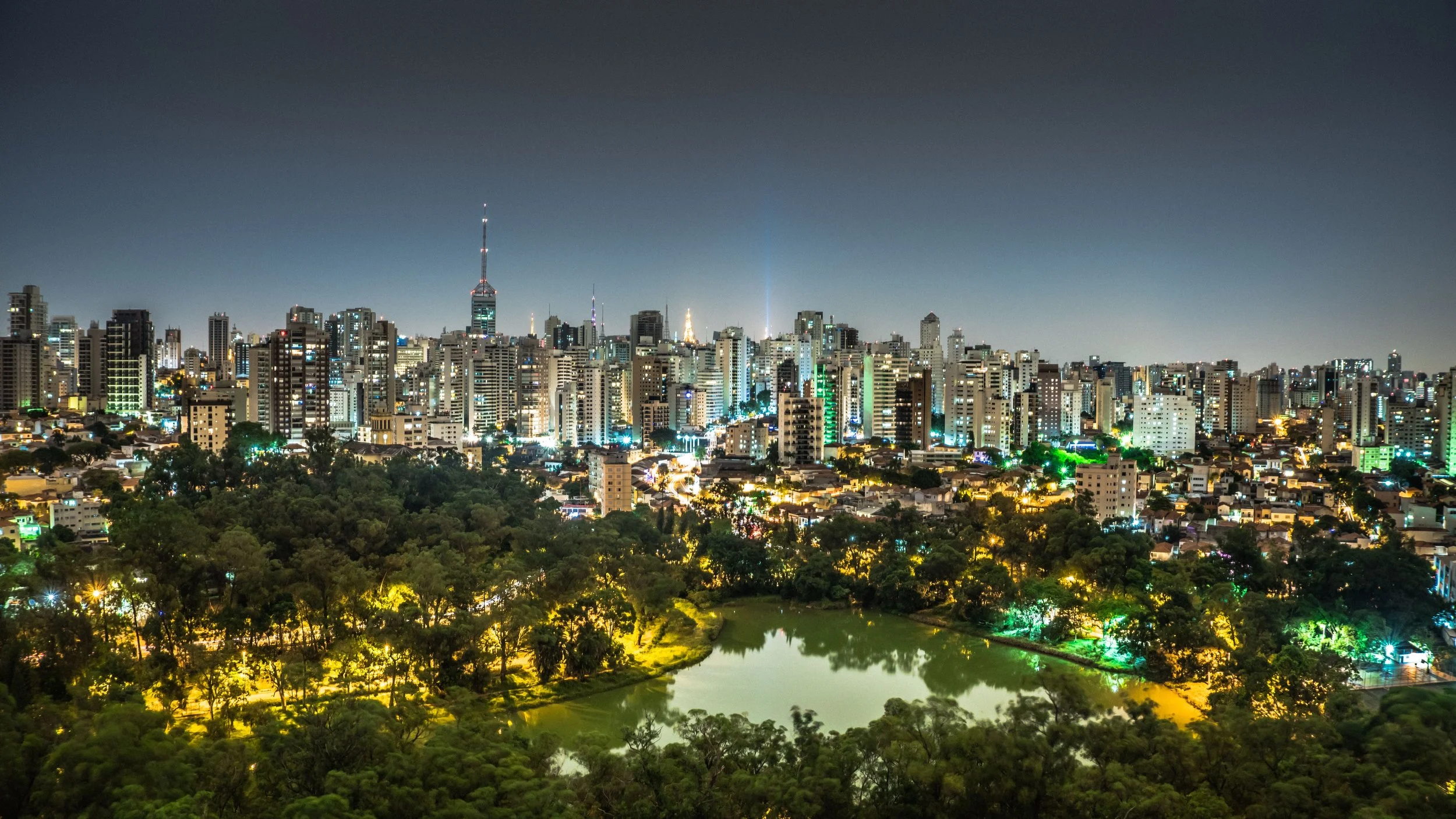
Brazil's largest city is also home to the largest Pride parade on Earth, drawing millions of people to Avenida Paulista every June. São Paulo is Brazil at its most cosmopolitan: world-class restaurants, a nightlife scene that rivals any global capital, and an LGBTQ community so established it has its own dedicated neighborhood, Frei Caneca Street, packed with queer bars, clubs, and shops. If you want proof that Brazil takes queer culture seriously, São Paulo is the proof. Expect electric match-day energy at Arena Itaquera and an after-party scene that never seems to end.
Rio de Janeiro - Estádio do Maracanã
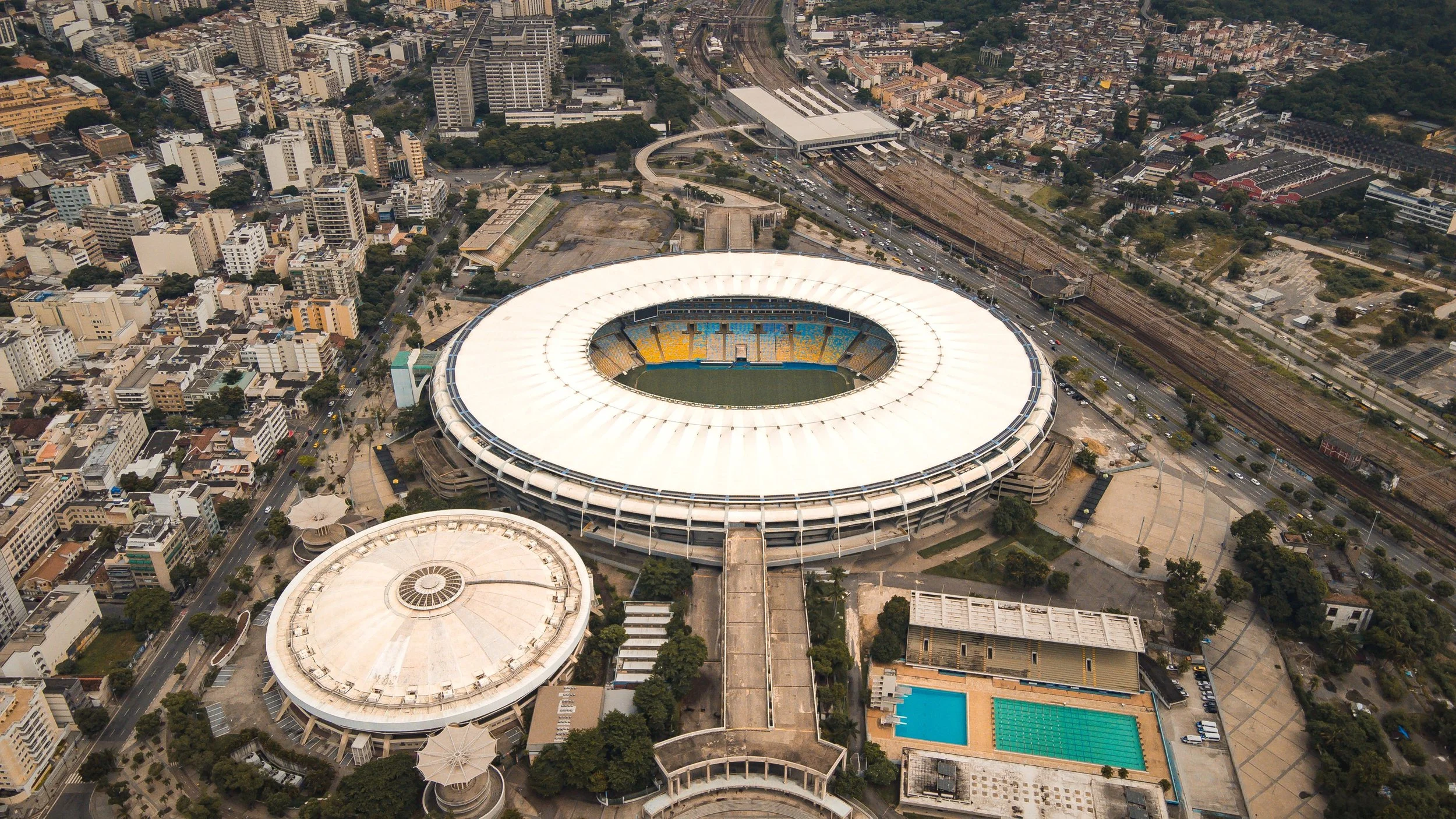
There may be no more iconic place on the planet to watch a soccer match than the Maracanã, the stadium that hosted the 1950 World Cup final and remains the beating heart of Brazilian football. Rio is where Copacabana and Ipanema meet queer beach culture head-on: Farme de Amoedo, the "gay block" of Ipanema Beach, has been a lesbian and gay gathering spot for generations. Between matches, you'll have Christ the Redeemer, Sugarloaf Mountain, and a nightlife scene in Lapa that goes until sunrise. Rio isn't just a host city, it's the postcard image of this entire trip.
Salvador - Arena Fonte Nova
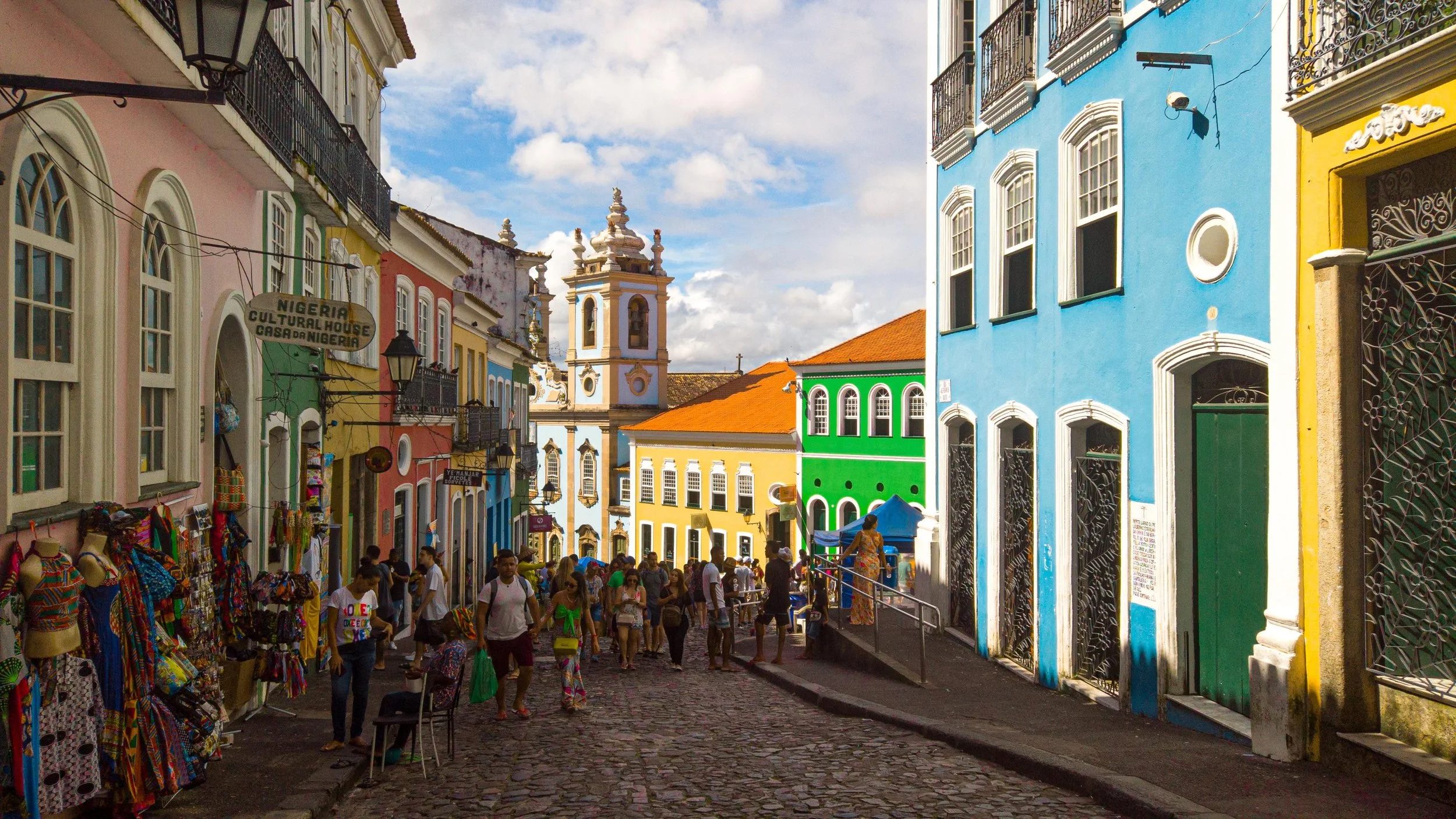
If Brazil has a soul, it lives in Salvador. As the heart of Afro-Brazilian culture, Salvador brings a rhythm and warmth found nowhere else in the country, capoeira in the streets of Pelourinho, live music on every corner, and a color and energy that Carnival season only hints at. Salvador's queer scene is deeply woven into its music and arts culture, with LGBTQ-friendly blocos and bars throughout the historic center. This is the city for women who want their World Cup trip to feel like a cultural immersion, not just a tournament stop.
Fortaleza - Arena Castelão
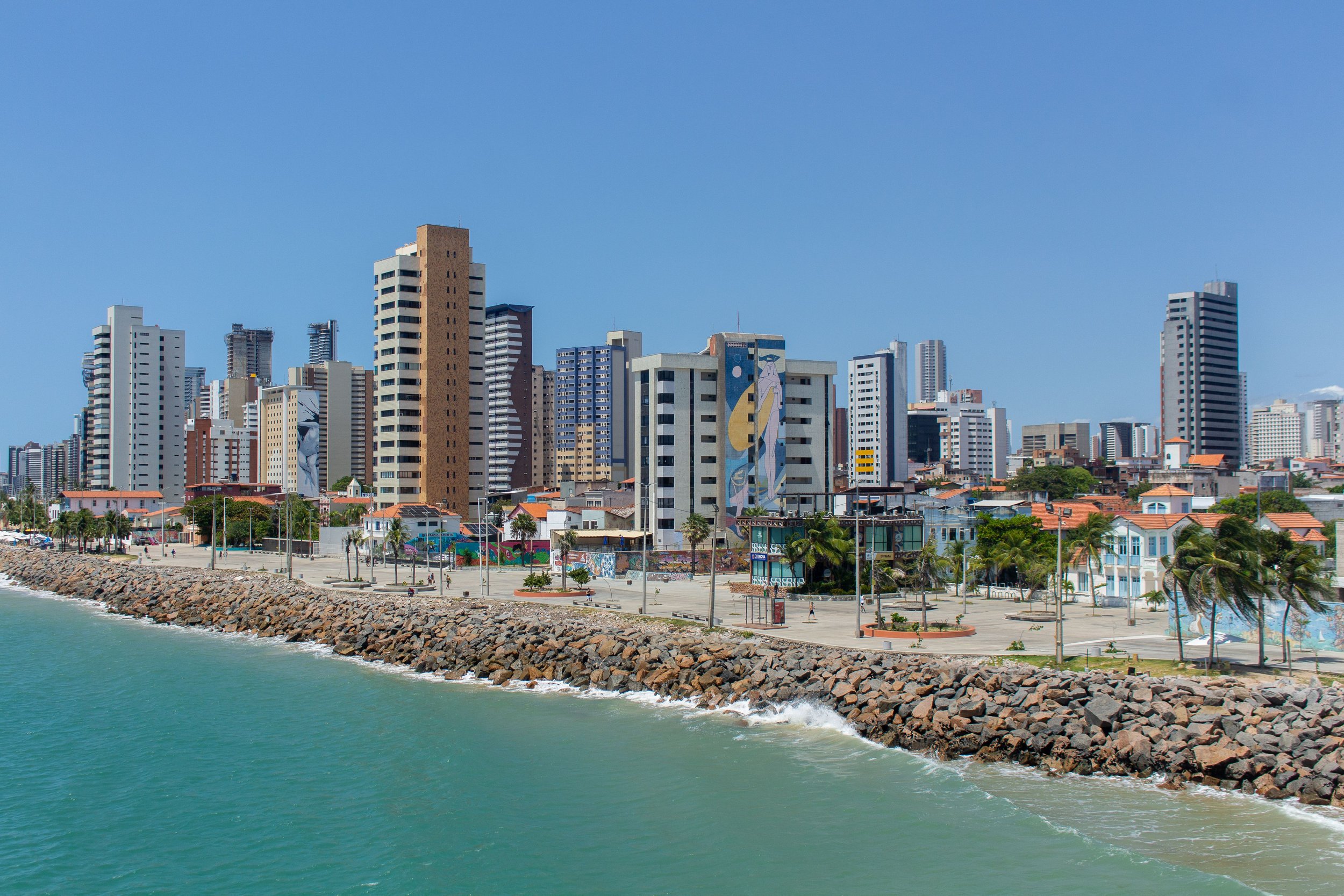
For the beach-and-sunshine crowd, Fortaleza is the dream. This Northeastern coastal city is known for its dramatic sand dunes, warm turquoise water, and a laid-back pace that makes it the perfect place to unwind between matches. Fortaleza's queer nightlife centers around the Beira Mar beachfront and Praia de Iracema, where beach bars and clubs draw a mixed, welcoming crowd well into the night. If your ideal World Cup trip includes recovery days with your toes in the sand, build them here.
Brasília - Estádio Nacional
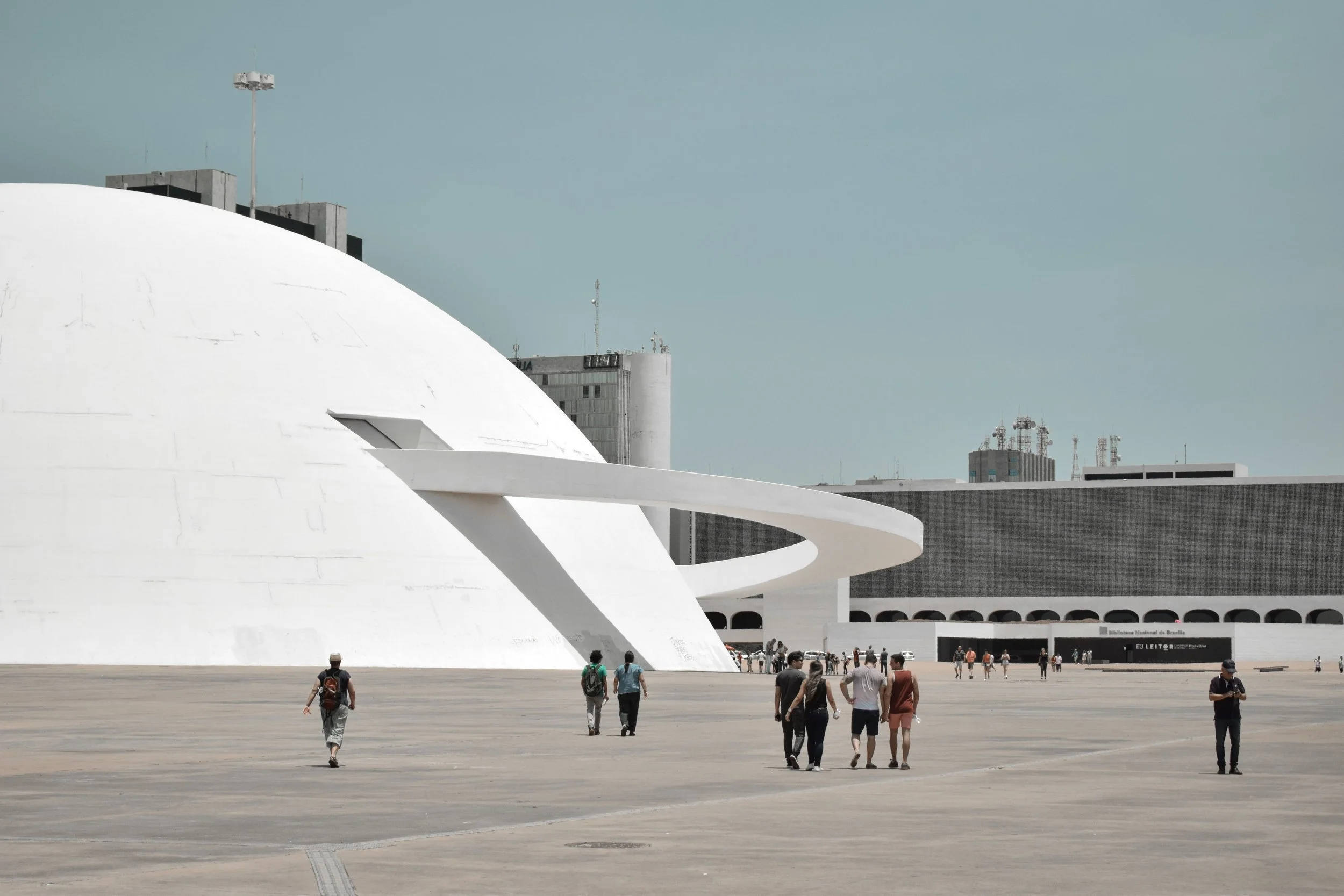
Brazil's modernist capital is unlike anywhere else in the country, a city of sweeping architecture, UNESCO-listed design, and wide-open civic spaces, all centered around the striking, saucer-shaped Estádio Nacional. Brasília offers a different rhythm than the beach cities: museums, architecture tours, and a slower, more reflective pace. It's a compelling stop for travelers who want to pair football with a genuine sense of Brazil's history and identity as a nation.
Recife - Arena de Pernambuco
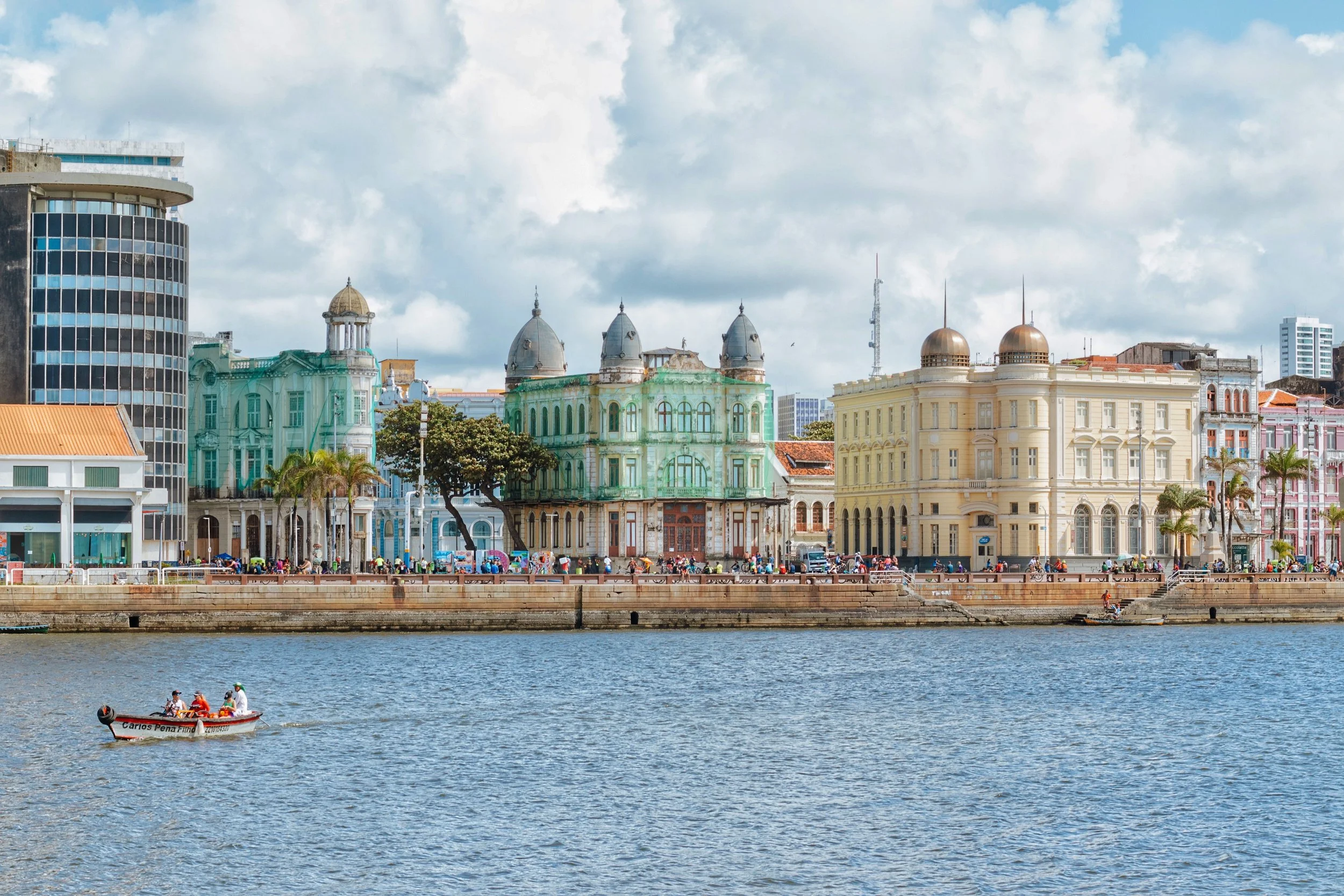
Recife and its historic sister city Olinda are the beating heart of frevo music and some of the most joyful street Carnival celebrations in the country. Known as the "Venice of Brazil" for its rivers and bridges, Recife blends colonial architecture with a genuinely warm, welcoming local culture. Its queer scene is smaller than São Paulo's or Rio's, but what it lacks in size it makes up for in the kind of easy, unfiltered hospitality that makes solo and group travelers alike feel instantly at home.
Porto Alegre - Estádio Beira-Rio
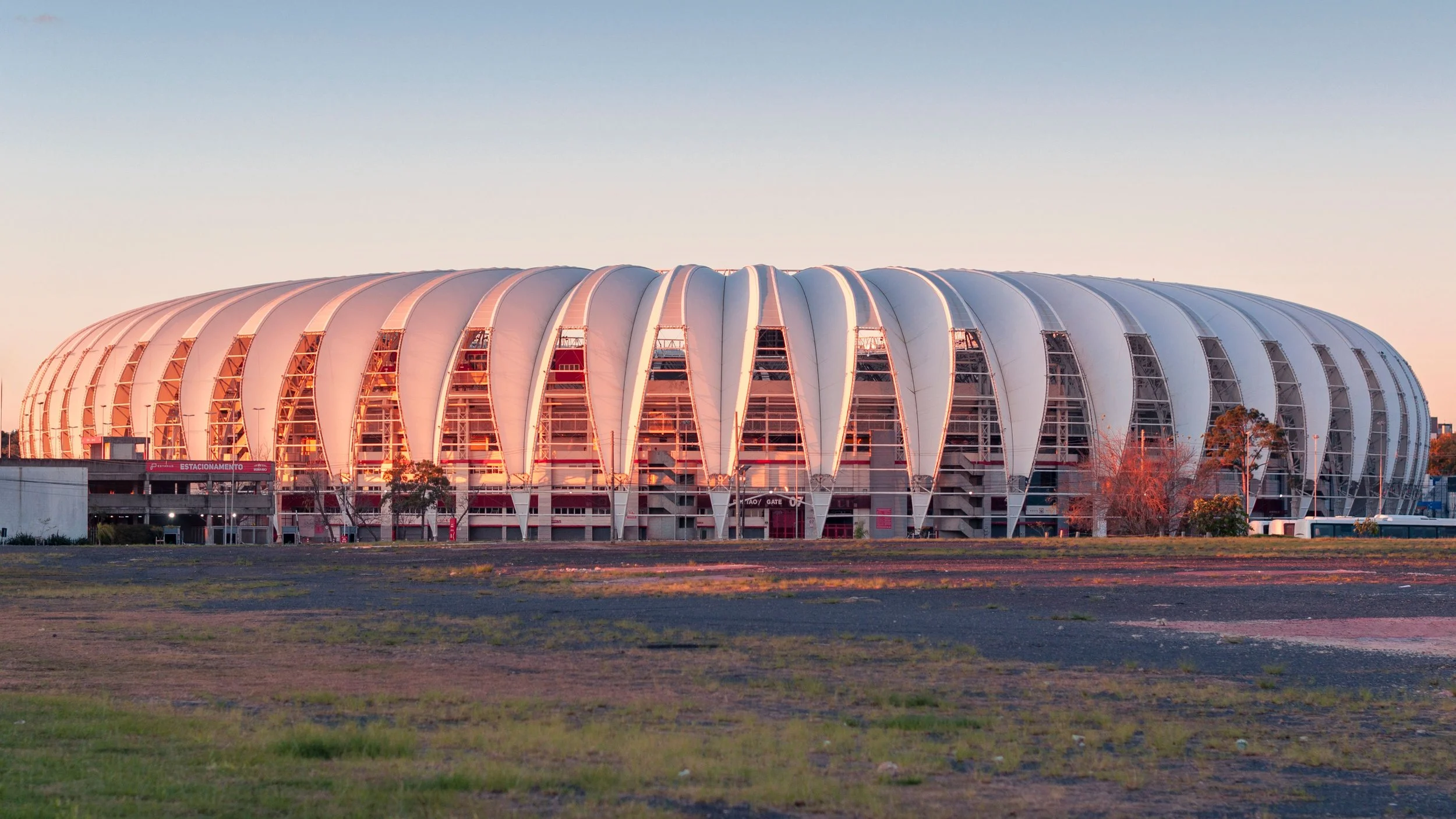
Down in Brazil's progressive, temperate south, Porto Alegre offers a completely different flavor of Brazilian life, closer in spirit to neighboring Argentina and Uruguay, with a strong coffee culture, regional wine country nearby, and cooler weather that's a welcome contrast to the tropical north. Porto Alegre has a long-standing, community-driven LGBTQ scene and a reputation as one of the more socially progressive cities in Brazil, making it a comfortable, easygoing stop on a multi-city itinerary.
Belo Horizonte - Estádio Mineirão
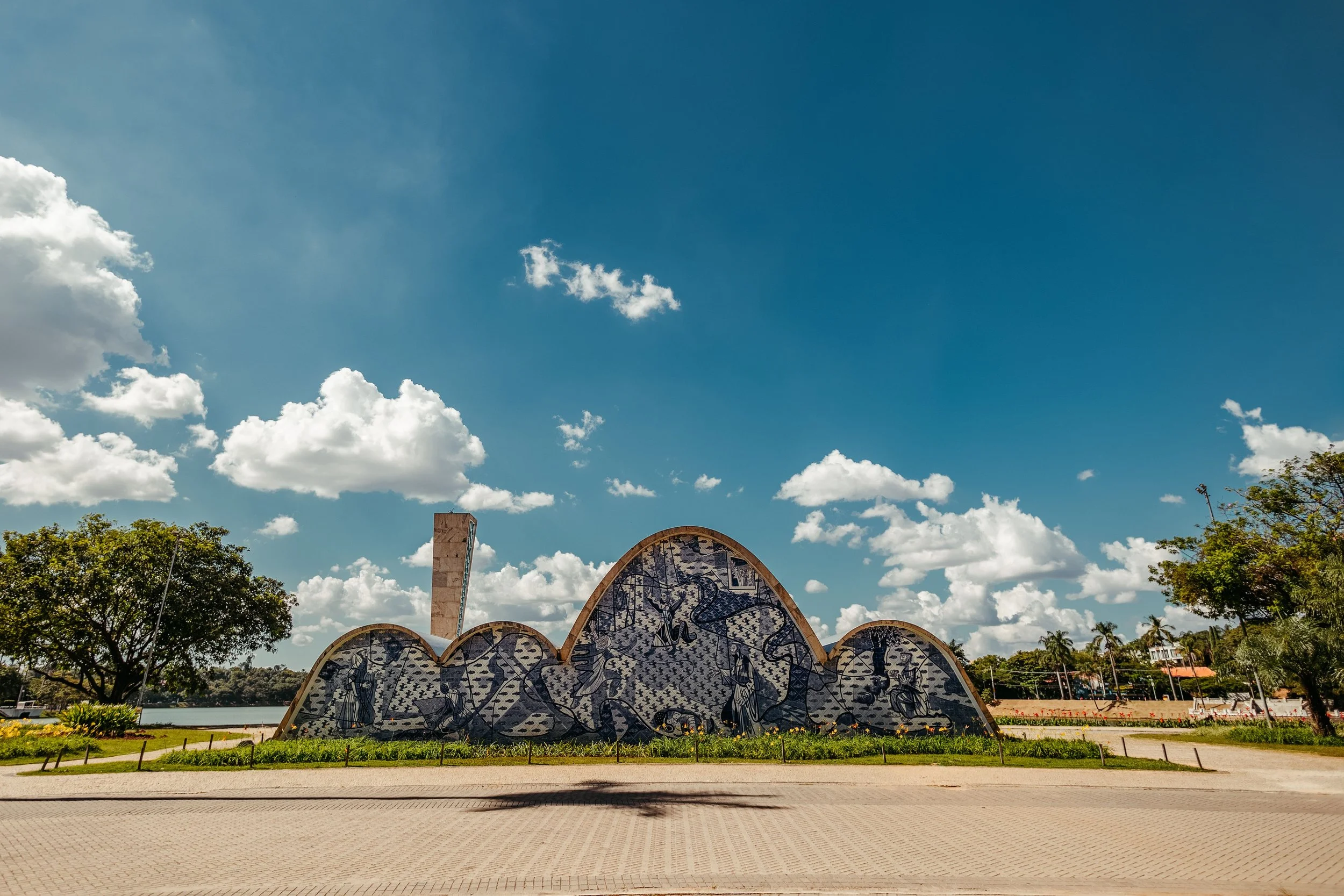
"BH," as locals call it, is a food-and-culture lover's city, famous for its bar scene (it has more bars per capita than any other Brazilian city) and its proximity to the stunning colonial hill towns of Minas Gerais, like Ouro Preto. The Mineirão itself is one of Brazil's most storied stadiums. Belo Horizonte's queer nightlife is concentrated around the Savassi neighborhood, giving travelers an authentic, less touristy slice of Brazilian city life alongside the soccer.
Why LGBTQ Women Travel to Moments Like This Together
A trip built around a global tournament is thrilling, and it's also a lot to navigate alone: match tickets, city-to-city logistics, language, safety in unfamiliar crowds, and simply having someone to celebrate the goals with. That's exactly why women choose to travel with us instead of traveling on their own.
Group travel for a moment like the 2027 World Cup means:
- A built-in community of queer women watching history happen together
- Local expertise on which host cities, matches, and neighborhoods to prioritize
- Safety in numbers navigating a country and a tournament at this scale
- Shared logistics with someone else handling the moving pieces across multiple host cities
- No explaining, no code-switching, just celebration, with your people, every step of the way
Safety & Practical Information
Brazil's major cities are seasoned hosts of huge international events, this isn't a country's first World Cup, or its first Pride. Still, smart travel matters:
- Stick to well-trafficked tourist and match-day zones, especially at night
- Use registered taxis, Uber, or official tournament transport between venues
- Keep valuables secure in crowded stadiums and street celebrations
- Brazil is a large country, flights or long-distance buses connect the host cities, so plan travel days between matches
- Portuguese is the local language; English is common in tourist areas but a few key phrases go a long way
- Brazil's winter (June–July) means the South (Porto Alegre) can be genuinely cool, while the North (Fortaleza, Recife, Salvador) stays warm, so pack accordingly, city by city
The advantage of traveling this with a group: someone else has already mapped the safest neighborhoods, the smartest transit routes between host cities, and the best local recommendations, so you can focus on the soccer and the friendships.
What to Pack for a Multi-City World Cup Trip
For Match Days:
- Team colors, jerseys, or rainbow gear: Brazil loves a fan who shows up loud
- Comfortable shoes for long stadium walks and standing sections
- A small crossbody bag (most stadiums have strict bag policies)
- Portable phone charger and offline maps downloaded in advance
For the Beach Cities (Rio, Fortaleza, Recife, Salvador):
- Swimsuits, sunscreen, and a beach cover-up
- Light, breathable clothing for tropical heat and humidity
For the Southern & Capital Cities (Porto Alegre, Brasília, Belo Horizonte):
- A light jacket: Brazilian winter is real, especially in the south
- Layers you can adjust between daytime touring and cooler evenings
Don't Forget:
- Passport (valid well beyond your travel dates)
- U.S. citizens need an eVisa to enter Brazil for tourism
- Match tickets and confirmation documents
- Portuguese phrase basics
- An open mind and your dancing shoes
Help Us Design Your Perfect Brazil 2027 Experience
Here's the truth: with eight host cities and five weeks of football, there's no single "right" way to experience the World Cup in Brazil. Some women want one unforgettable host city and weeks by the beach. Others want to chase their team across the country, match after match. Some want the Pride-level party energy of São Paulo or Rio; others want the slower, cultural pace of Brasília or Belo Horizonte.
Tell us what your dream FIFA Women's World Cup Brazil 2027 trip looks like, and we'll use it to design an unforgettable, LGBTQ women's group journey around it: the matches, the cities, the community, and the celebration, all in one.
🏳️🌈 Share your preferences — Brazil 2027 Interest Form and help us build the trip of a lifetime.
Or explore all our upcoming LGBTQ women's trips while we put the pieces together.
Frequently Asked Questions
When is the FIFA Women's World Cup Brazil 2027? The tournament runs from June 24 to July 25, 2027, the tenth edition of the FIFA Women's World Cup, and the first ever held in South America.
Which cities are hosting matches? Eight cities across Brazil: Belo Horizonte (Estádio Mineirão), Brasília (Estádio Nacional), Fortaleza (Arena Castelão), Porto Alegre (Estádio Beira-Rio), Recife (Arena de Pernambuco), Rio de Janeiro (Estádio do Maracanã), Salvador (Arena Fonte Nova), and São Paulo (Arena Itaquera).
Is Brazil safe for LGBTQ women travelers? Brazil's major cities have large, visible, well-established LGBTQ communities, and same-sex marriage has been legal nationwide since 2013. As with any big international event, we recommend the same smart-travel habits you'd use anywhere, and traveling with a group makes it even easier.
Do I need to pick just one host city? Not at all. Many travelers combine two or three host cities into one trip, for example, pairing beach time in Rio or Fortaleza with the nightlife of São Paulo. Tell us your priorities on the interest form and we'll help you map it out.
Do I need to speak Portuguese? Not necessarily. English is common in tourist and match-day areas, but a few Portuguese phrases will take you far and are always appreciated by locals.
How do I get involved before tickets and travel details are finalized? Fill out our Brazil 2027 interest form. It helps us understand which cities, dates, and experiences matter most to you, so we can design the trip around real demand instead of guessing.
Will this be a group trip like your other Ladies Touch experiences? Yes, built the same way we build every trip: with community, safety, and unforgettable shared moments at the center of it.
History Is Coming to Brazil. Be There With Your People.
Eight cities. Five weeks. The best women's soccer players on the planet, in a country that knows how to celebrate like nowhere else on Earth.
The FIFA Women's World Cup Brazil 2027™ isn't just a tournament, it's a once-in-a-generation reason to bring queer women together on Brazilian soil, in the stands and in the streets, cheering for the same goals.
Help us build it with you.
🌈 Share Your Preferences | Explore All 2026–2027 Trips | Contact Us With Questions
Ladies Touch Events & Travel has been curating unforgettable LGBTQ women’s group travel experiences since 2016. Our thoughtfully designed journeys span destinations around the world, bringing together adventure, culture, and community in safe and inclusive spaces where queer women can explore freely and celebrate authentically.
